
 By Callum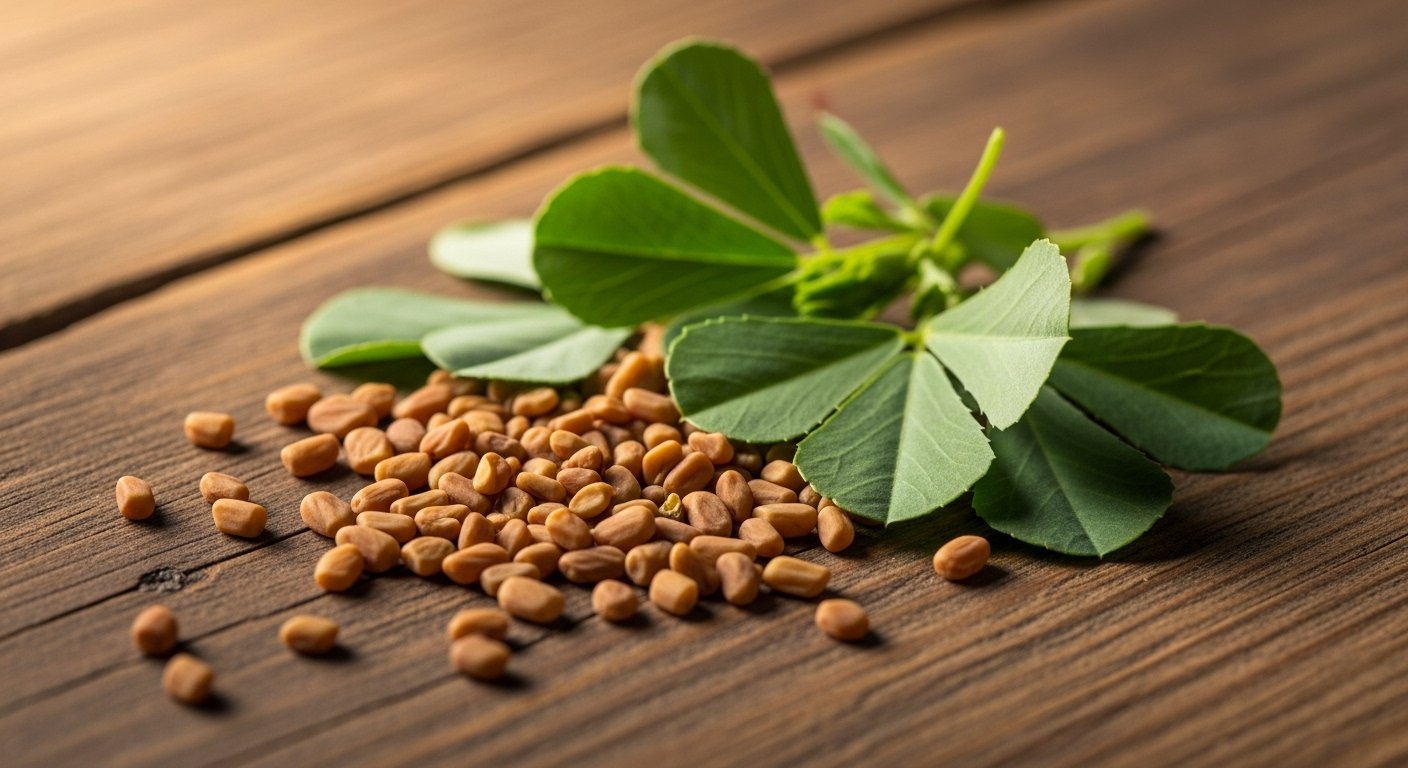
Foenegriek is a remarkable herb with a long and storied history across continents. From ancient civilizations to modern kitchens, it has played an important role both as a flavoring agent and as a traditional household staple. This article explores the background, culinary value, cultural significance, and practical applications of foenegriek so you can appreciate why it remains relevant today.
What Is Foenegriek?
Foenegriek is a plant from the legume family known for its aromatic seeds and flavorful leaves. Both parts are widely used in cooking, giving dishes a warm, earthy character with a slight hint of bitterness. Over time, foenegriek has earned respect not only for its taste but also for its role in traditional wellness practices and culinary heritage.
Botanical Features
The plant grows low to the ground and produces green leaves and small pale flowers. Its seeds are hard, brownish-yellow, and triangular. Though tiny, they carry powerful natural oils and aromatic compounds. When gently roasted, the seeds shift from sharp and bitter to warm and nutty, a transformation cherished in many cuisines.
Origins and Global Spread
Originally grown in the Mediterranean region, foenegriek spread across Asia, the Middle East, and North Africa. Today it is cultivated globally, especially in places where spice-rich cooking is central to the culture. Every region that adopted foenegriek gave it a distinct role in its culinary traditions.
Nutritional Makeup of Foenegriek
While best known for its flavor, foenegriek is also valued for its nutrient-rich composition. Many cultures traditionally considered it a strengthening ingredient that supports general nourishment.
Key Nutrients
- Protein: Important for tissue maintenance and repair.
- Fiber: Contributes to digestive comfort and a satisfying sense of fullness.
- Natural aromatic oils: Provide the characteristic scent and flavor of foenegriek.
Though not a miracle ingredient, its nutritional density makes it a welcomed component of diverse diets.
Culinary Uses of Foenegriek
Foenegriek is prized by cooks around the world for the depth and warmth it adds to food. It functions beautifully in both everyday meals and elaborate dishes.
Using the Seeds
The seeds are often lightly roasted to mellow their bitterness and bring out a nutty aroma. They are used in spice blends, curries, sauces, and in some breads and savory pastries. Even a small amount can transform the flavor structure of a dish.
Using the Leaves
The fresh or dried leaves have a milder but distinct flavor, complementing vegetables, soups, and stews. They add subtle bitterness that enhances the overall balance of a dish.
Traditional Dishes Featuring Foenegriek
Indian Cooking
India uses foenegriek extensively in curries, dals, and aromatic spice mixes. Its presence in everyday meals highlights how deeply rooted it is in regional dining culture.
North African Cuisine
In North Africa, foenegriek appears in robust stews, aromatic sauces, and traditional seasoning mixes that add warmth and character to grains and vegetables.
Middle Eastern Recipes
Middle Eastern kitchens incorporate foenegriek in breads, meat dishes, and slow-cooked specialties, appreciating its ability to bring depth to simple ingredients.
Foenegriek in Tradition and History
Across centuries, foenegriek has been a meaningful herb symbolically, culturally, and practically. Early writings from various civilizations mention its use in both domestic and ceremonial settings.
Ritual and Symbolism
In some cultures, foenegriek represented prosperity or resilience. It was used during certain rituals or seasonal gatherings to symbolize good fortune and continuity.
Presence in Traditional Wellness
Ancient health systems integrated foenegriek into tonics and preparations believed to warm the body or support overall vitality. Its grounded, earthy nature made it a popular ingredient in traditional practices.
Using Foenegriek at Home
Whether you’re an experienced cook or exploring new flavors, foenegriek is simple to incorporate once you understand its qualities.
Roasting the Seeds
A quick roast in a dry pan enhances aroma and flavor. This step reduces sharpness and creates a balanced taste suitable for spice blends and sauces.
Adding to Breads and Savory Baking
A pinch of crushed seeds in dough yields a subtle aromatic layer. Foenegriek works especially well in hearty breads and pastries with strong flavors.
Making Herbal Drinks
Steeping foenegriek in warm water releases its natural aroma, creating a comforting infusion. Many people combine it with warm spices for a richer sensory experience.
Foenegriek in Today’s Food Culture
Modern interest in traditional ingredients and global flavors has boosted the popularity of foenegriek. Chefs and home cooks alike embrace it for its adaptability and complexity.
Embraced by Modern Chefs
Contemporary chefs use foenegriek creatively in fusion cuisine, pairing it with unexpected ingredients to craft unique flavor profiles. Its warm bitterness balances sweet, smoky, or spicy components.
Sustainability and Cultivation
Foenegriek is relatively easy to grow and requires modest resources, making it attractive to sustainable farming initiatives. This contributes to its increasing availability and relevance in environmentally conscious communities.
Cultural Influence and Legacy
The cultural footprint of foenegriek spans generations. It is part of family recipes, community celebrations, and regional identities.
Regional Diversity
Every region has its own way of preparing foenegriek, from fragrant rice dishes in South Asia to celebratory stews in North Africa. These variations reflect local tastes and traditions.
Family Recipes and Heritage
Many families pass down unique uses for foenegriek, ensuring that the herb’s cultural relevance endures. Through these traditions, foenegriek becomes more than an ingredient—it becomes part of personal and collective memory.
Buying and Storing Foenegriek
High-quality foenegriek retains its aroma, color, and characteristic sharpness. Proper selection and storage help preserve these qualities.
What to Look for When Buying
Choose seeds that are firm, aromatic, and free of excess moisture. A fresh, clean scent indicates good quality, while a stale smell suggests age.
Storage Tips
Keep foenegriek in an airtight container, stored in a cool, dry place away from sunlight. This protects the seeds or leaves from losing their potency over time.
Conclusion
Foenegriek remains a treasured ingredient thanks to its rich history, versatility, and distinctive flavor. Whether you’re drawn to its cultural roots, its culinary value, or its intriguing aromatic qualities, this herb offers a world of inspiration. From traditional dishes to modern interpretations, foenegriek continues to hold a cherished place in global cuisine.